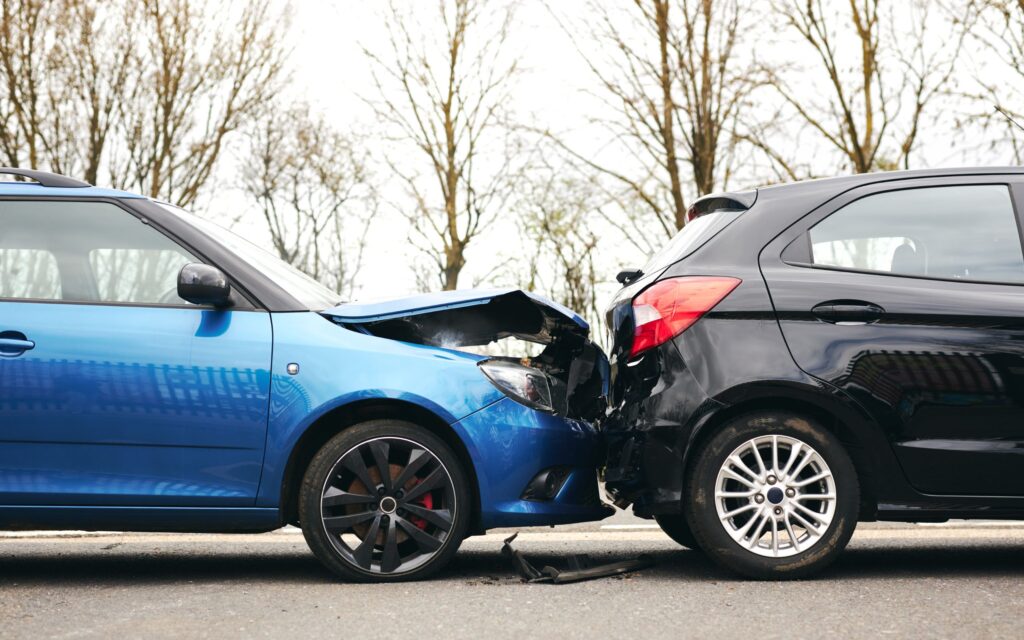
Every day on UK roads, lives change in an instant.
A collision can happen to anyone. A daily commuter, a weekend driver, a cyclist, or a pedestrian simply crossing the street.
What separates a tragedy from a survival story is often not the speed of the emergency services, but what happens in the minutes before they arrive.
That is why First Aid training matters. Not as a replacement for professional medical care, but as the bridge between an accident and the help that is on its way.
The UK Road Accident Picture: What the Data Tells Us
The statistics surrounding road accidents in the UK make for difficult reading.
In 2024, there were an estimated 128,375 casualties of all severities on UK roads which is roughly 351 people every single day.
Behind every number is a person, a family, and a community affected.
The table below gives a snapshot of the most recent figures from the Department for Transport.
| Road User | Fatalities (2024) | Seriously Injured (2024) |
|---|---|---|
| Car Occupants | 710 | 11,044 |
| Pedestrians | 413 | 5,823 |
| Motorcyclists | 343 | 5,465 |
| Cyclists | 85 | No data |
| Total (all road users) | 1,633 | 29,537 |
What the figures alone cannot capture is the broader picture because that aside from the pandemic dip in 2020, there has been no significant reduction in deaths and serious injuries on UK roads over the past decade.
Progress has stalled, and the case for greater road safety awareness, including First Aid preparedness, has never been stronger.
The Gap No One Talks About: First Aid and the Driving Test
Here is something that puts the above figures into stark context.
In most EU countries, First Aid is a compulsory part of the driving test. In the UK, it barely features – a handful of basic questions in the theory test is all that is required.
This means that millions of UK drivers who might find themselves first on the scene of an accident have had little to no formal First Aid preparation.
When a collision happens and emergency services are still minutes away, that gap in knowledge can have very real consequences.
Trained First Aiders understand how to keep a casualty stable, how to recognise life-threatening conditions, and crucially what not to do.
In an emergency, the wrong intervention can be just as dangerous as no intervention at all.
Why the Minutes Before Help Arrives Matter So Much
Emergency response times across the UK vary significantly by location.
In urban areas, average response times for life-threatening calls can be under eight minutes.
In rural areas, however, which is where the majority of fatal collisions occur, that figure can be considerably longer.

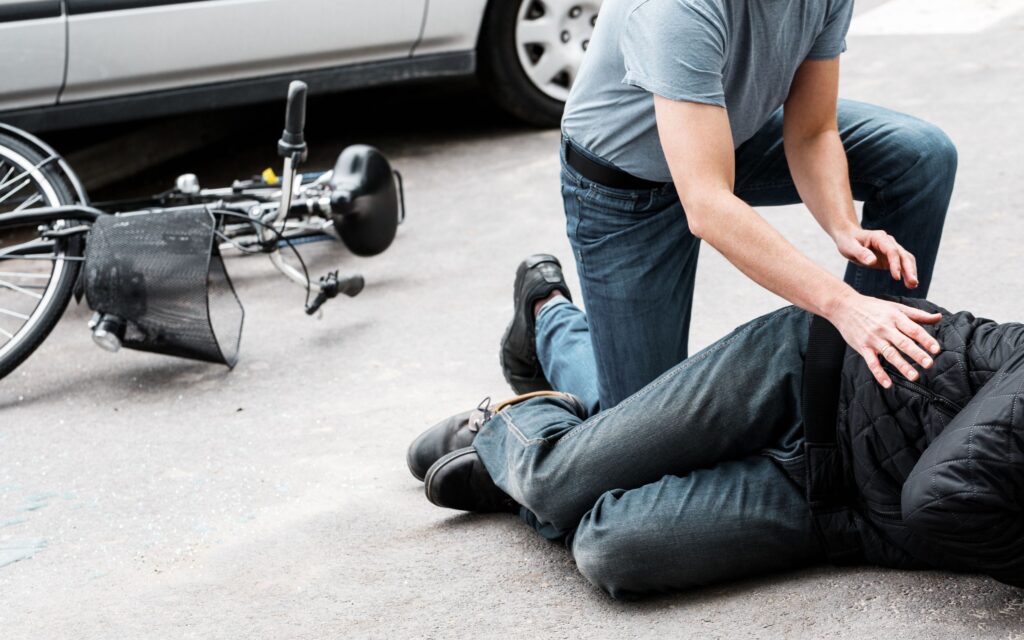
In cases of cardiac arrest, brain damage can begin within four to six minutes without intervention. Severe, uncontrolled bleeding can be fatal in a similarly short window. These are not scenarios where waiting passively for an ambulance is a neutral choice either!
Trained bystanders (people who have completed a recognised First Aid course) are in a position to make a meaningful difference in exactly these situations.
Not because they replace paramedics, but because they can act confidently and appropriately in the critical window before professional help arrives.
What First Aid Training Actually Prepares You For
A quality First Aid course does not simply teach techniques. It builds the awareness, confidence, and composure to function under pressure.
This is something that cannot be learned from reading a leaflet or watching a video online.
In the context of road accidents, First Aid training covers scene safety awareness, helping individuals understand how to assess a situation without putting themselves or others at further risk.
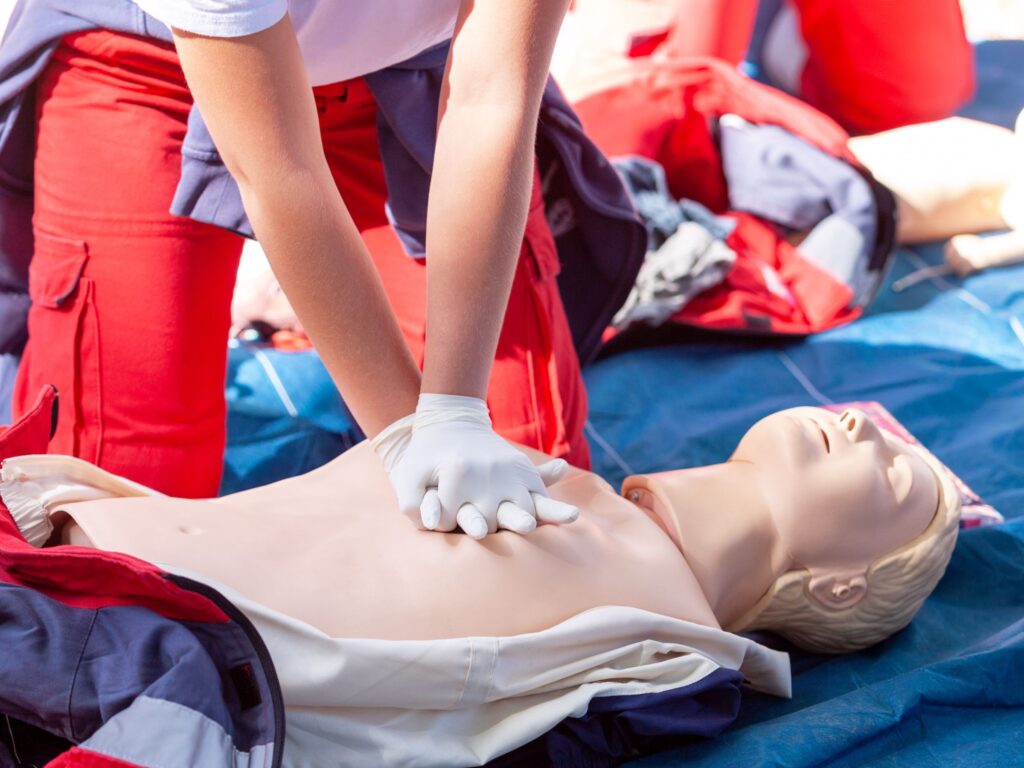
Our courses develop your primary survey skills, so that life-threatening conditions can be identified quickly and addressed in the right order.
We also cover CPR, rescue breathing, bleeding control, the recovery position, spinal awareness, and the recognition and management of shock.
Perhaps most importantly, our professional and proper training teaches people what they should not do which is an equally critical part of safe and responsible First Aid at any incident.
Who Should Consider First Aid Training?
The straightforward answer is everyone! However, some groups have a particularly compelling reason to prioritise it.
Drivers, especially those who frequently travel on rural roads or motorways, are statistically the people most likely to witness or be involved in a serious collision.
Being prepared is not pessimistic; it is simply sensible.
Parents and families have an equally strong case, given that young people aged 17 to 24 are among the most vulnerable on UK roads.
Employers with staff who drive for work should also consider road accident First Aid awareness as a responsible and increasingly expected part of any workplace health and safety provision.
Ultimately though, accidents do not discriminate. They happen to people who least expect them, on roads they use every single day.
The Bigger Picture: Building a More Prepared Nation
Road safety organisations, including Brake and the RAC Foundation, have consistently called for a renewed focus on saving lives on UK roads.
Part of that conversation must include First Aid preparedness and not as a niche skill, but as a baseline expectation for anyone who uses the road.
Countries with mandatory First Aid education built into their driving programmes consistently demonstrate that informed bystanders do make a difference.
The UK has the infrastructure, the training providers, and the statistics to make a compelling case for change. In the meantime, the choice to get trained is one every driver can make today with Lightning Training Solutions.
First Aid Courses We Offer
Being aware of the risks on UK roads is one thing but being equipped to act in the moments that matter is another.
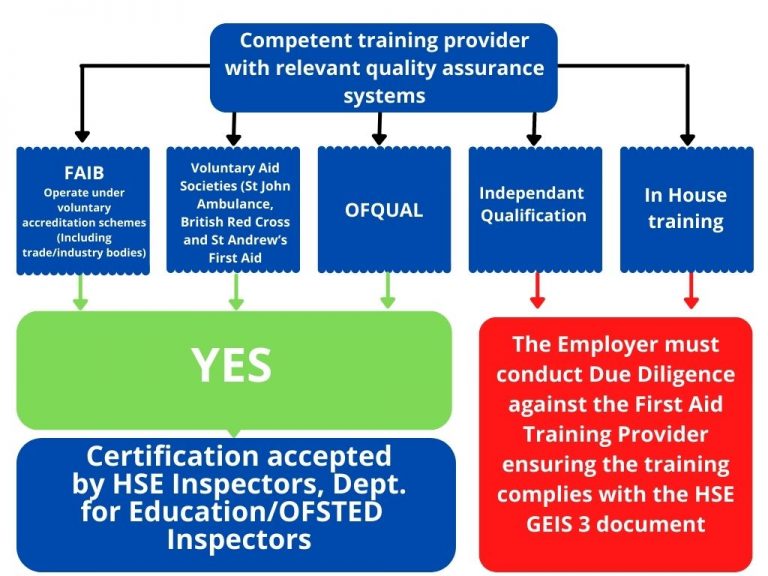
At Lightning Training Solutions, we offer a range of First Aid courses designed to build genuine confidence and practical knowledge, delivered by trainers with real frontline experience across the Military, Emergency Services, and the NHS.
First Aid at Work
Our three-day First Aid at Work course is ideal for anyone who wants comprehensive, recognised training that goes beyond the basics.
Covering everything from CPR and defibrillation to the management of fractures, suspected spinal injuries, severe bleeding, and shock, it equips participants with the skills to assess a situation, prioritise casualties, and provide effective care until professional help arrives.
Certificated for three years and available at your premises or we can arrange a venue for you.
Emergency First Aid at Work
For those who want focused, practical training in a single day, our Emergency First Aid at Work course covers the core life-saving skills such as CPR, AED use, managing an unresponsive casualty, severe bleeding, shock, and more.
It is the ideal starting point for drivers, parents, and anyone who wants to feel prepared without committing to a multi-day course.
First Aid Refresher Courses
First Aid skills need to be kept sharp.
If your certificate is approaching its three-year renewal, or if it has been a while since you last trained, our half-day Annual Refresher and two-day Re-Qualification courses ensure your knowledge stays current, your confidence stays high, and your certification remains valid.
Course Prices
| Available Courses | Duration | Per Course | Per Person |
|---|---|---|---|
| Health & Safety First Aid at Work | 3 Days | £1,800 | *£180 |
| Health & Safety Emergency First Aid at Work | 1 Day | £700 | *£70 |
| First Aid at Work Re-Qualification Course | 2 Days | £1,200 | *£120 |
| Annual Refresher First Aid at Work Course | ½ Day | £300 | *£30 |
Sources: Road Safety Questions and Answers — RAC Foundation | Reported Road Casualties Great Britain, Provisional Results: 2024 — GOV.UK | Reported Road Casualties Great Britain, Annual Report: 2024 — GOV.UK | UK Collision and Casualty Statistics — Brake Road Safety Charity