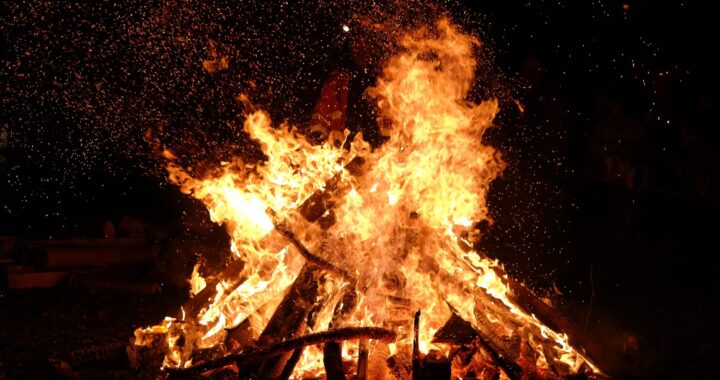
As autumn arrives across Somerset, communities in Yeovil, Taunton, and surrounding areas eagerly prepare for Bonfire Night. However, informal bonfire builds and private garden fireworks frequently begin weeks early.
While these gatherings bring excitement, they also coincide with a sharp seasonal surge in thermal injuries. The first few minutes following a burn incident are critical for casualty stabilisation before emergency services arrive.
Combining thorough Fire Risk Assessments with practical First Aid preparedness helps your autumn celebrations remain safe, compliant, and enjoyable.
Bonfire Season Injuries: Key Statistics
Burn injuries during bonfire season are frequently severe, with children and young people facing the highest statistical risk. The surge in hospital admissions around early autumn highlights a clear gap in community readiness and rapid emergency response.
According to official NHS Hospital Admitted Patient Care Activity data, hospital admissions linked directly to firework discharges and open fires remain a serious health concern across England:
| Metric / Indicator | Figures & Trends | Primary Impact Area |
| Annual Hospital Admissions | 123 admissions recorded in 2024/25 (up from 113 the previous year). | Serious full-thickness thermal burns requiring inpatient care. |
| 5-Year Admissions Total | 593 hospital admissions over the last five recorded financial years. | Ongoing strain on specialist NHS burns units. |
| Childhood Specialist Admissions | 63% increase in paediatric firework burns requiring specialist care (Children’s Burns Trust / RoSPA). | Hands, eyes, and facial injuries among children aged 12 to 15. |
| NHS Digital Search Spikes | 8,208 daily visits to NHS burn advice pages around November 5th (vs 3,241 on normal days). | Public seeking immediate guidance for acute thermal care. |
How Our Courses Bridge the Confidence Gap
When a burn incident occurs, panic and uncertainty often delay action. Research shows that over three-quarters of people feel unprepared to handle acute trauma. At Lightning Training Solutions, our hands-on training courses are designed to replace uncertainty with practical, calm action.
You can learn and become confident in handling burns on these courses:
1. Emergency First Aid at Work (1-Day Course)
Ideal for small businesses, community volunteers, and nominated event marshals. This course equips candidates to assess casualties safely, manage shock, treat thermal burns and scalds, and administer CPR using an AED.
2. Paediatric First Aid (Blended & 2-Day Courses)
With child firework injuries rising significantly, this course is vital for teachers, nursery staff, childminders, and parents. It covers severe burn care, airways management, and emergency response specifically tailored for infants and young children.
3. Fire Awareness and Fire Marshal Training
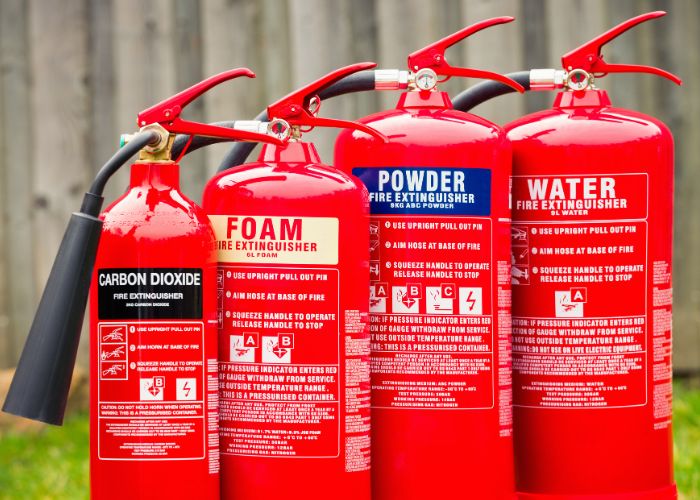
Prevention is always the best defense. Our Fire Awareness and Fire Marshal courses cover current fire safety legislation, site hazard evaluation, safe evacuation procedures, and includes live fire extinguisher practice. Having qualified Fire Marshals on site helps keep your bonfire event compliant and safe.
Do you know the difference between the various classes of fire? If not, and you hold responsibility for fire safety, this course details the correct extinguishers required for each classification. It will equip you to identify the appropriate equipment for its safe operation should an emergency evacuation occur.
4. Flexible Blended Learning Options
We offer open practical training sessions at our Yeovil venue (The Masonic Hall, Hendford) as well as flexible blended learning that combines online study with hands-on practice. We can also deliver on-site group training directly at your premises across Somerset.

Fire Risk Assessments and Legal Obligations
Under the Regulatory Reform (Fire Safety) Order 2005, anyone organising a public display, workplace event, or commercial gathering has a statutory duty of care to conduct a comprehensive Fire Risk Assessment.
Core Risk Assessment Steps
- Identify Site Hazards: Map clear safety radiuses around timber stacks, dry foliage, overhead cables, and structures.
- Identify At-Risk Groups: Account for crowd movement, keeping young children and vulnerable spectators behind clear physical barriers.
- Establish Emergency Controls: Maintain immediate access to water buckets, sand containers, or appropriate fire extinguishers.
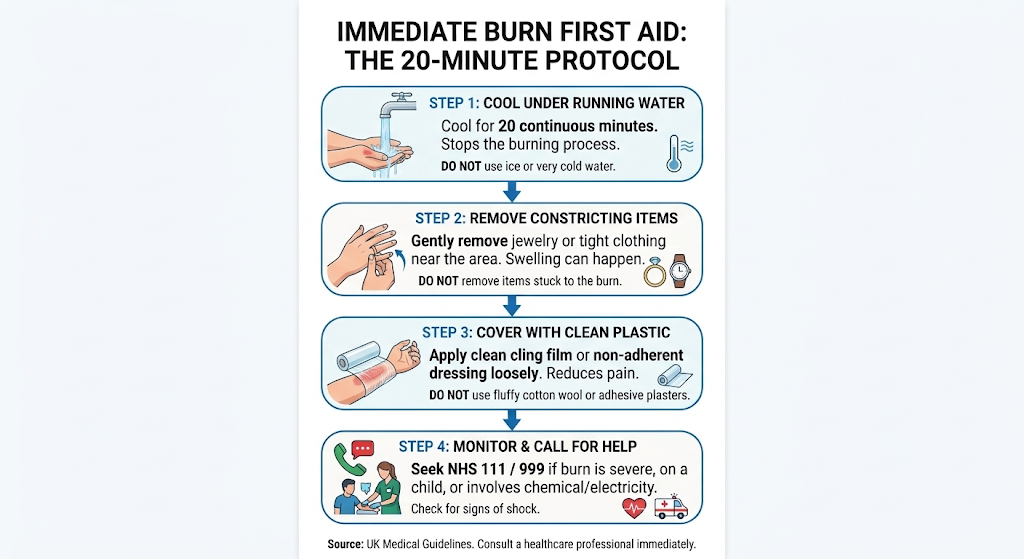
Immediate Burn First Aid: The 20-Minute Protocol
When an accidental burn occurs, rapid and structured First Aid reduces tissue damage and prevents deep shock.
Key Considerations for Thermal Burns
While following the 20-minute cooling procedure forms the foundation of burn management, specific factors dictate whether immediate professional intervention is required.
When to Seek Emergency Medical Attention (999 or NHS 111)
Always seek urgent medical advice if:
- The Casualty is a Child or Infant: Young skin is significantly thinner, making paediatric burns far more vulnerable to rapid fluid loss, severe infection, and shock.
- Complex Burn Locations: Burns involving the face, neck, hands, feet, major joints, or genital area require specialist evaluation to prevent long-term functional impairment.
- Large or Deep Injuries: Any burn larger than the casualty’s palm, or injuries that appear white, charred, or painless (indicating deep-tissue nerve damage), demand hospital care.
- Chemical or Electrical Contact: Chemical burns require continuous flushing with clean water for at least 20 minutes, while electrical injuries can affect cardiac rhythms internally.
Did you know? You call dial 112 or 911 from your mopbile phone and you’ll immediately to emergencey services – whatever country you’re calling from.
Why Immediate Cooling Matters
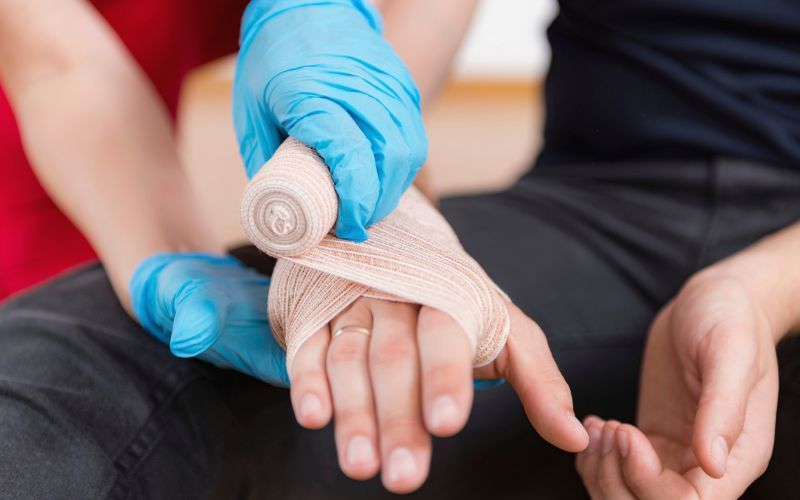
Cooling a thermal burn for 20 continuous minutes under running water does far more than ease superficial discomfort. It actively draws heat out from deep tissue layers, stopping the physical destruction of skin cells long after the initial flame or spark is extinguished.
Applying ice or freezing water causes blood vessels to constrict rapidly, restricting vital oxygen flow and deepening tissue damage. Sticking to plain, running water guarantees the safest temperature control.
From Knowledge to Practical Confidence
In a high-pressure scenario during a busy event or garden display, knowing what to do intellectually is very different from responding with calm authority.
Our hands-on First Aid courses give delegates the opportunity to practice practical casualty assessment and burn care in realistic scenarios. By building muscle memory and clear decision-making skills, our training leaves your team ready to handle emergencies swiftly and effectively.
Essential First Aid Guidelines
| Action Required | Correct Procedure | Common Mistakes to Avoid |
| Cooling Tissue | Cool under cold or lukewarm running water for 20 continuous minutes. | Do not apply ice, frozen items, or icy water, which cause tissue necrosis. |
| Dressing the Injury | Cover loosely with clean, clear cling film or a sterile, non-adherent dressing. | Do not use fluffy cotton wool, adhesive plasters, or household butter/oils. |
| Managing Clothing | Gently lift unburnt clothing clear of the swollen area. | Do not pull away clothing that is fused directly to burnt skin. |
The Clinical Science Behind First Aid Procedures
Following these guidelines correctly alters the trajectory of recovery. Data from national burns databases illustrates why specific first response techniques are vital during acute thermal incidents:
20-Minute Water Cooling: Reduces tissue depth, minimizes scar severity, and stops internal thermal progression.
Loose Cling Film Layer: Creates a sterile barrier against bacteria and calms exposed nerve endings to relieve acute pain.
Keeping the Patient Warm: Prevents hypothermia while cooling the burn area, maintaining stable core body temperature.
Building Practical First Aid Confidence in Somerset
Theoretical knowledge provides a baseline, but hands-on confidence during a real incident requires practical training.
At Lightning Training Solutions, we deliver inclusive, confidence-building First Aid courses across Somerset, including open practical sessions at our Yeovil venue as well as flexible blended learning options combining online study with face-to-face instruction.
Whether you need First Aid at Work, Emergency First Aid, or Paediatric First Aid qualifications to protect your staff, students, or community groups, our health and safety team leaves you feeling inspired, prepared, and ready to act.
Book On-Site Group Training
Contact our team on 01935 473575 for tailored on-site delivery across Somerset, or email us bookings@lightningtrainingsolutions.co.uk

Fire Awareness: Building Foundational Safety and Legal Compliance
Whether preparing a commercial venue for autumn festivities or managing workplace safety year-round, understanding the basics of fire behavior is a legal requirement under the Regulatory Reform (Fire Safety) Order 2005.
Our Fire Awareness Course provides staff and volunteers with the core knowledge needed to spot hazards before they escalate:
- The Fire Triangle: Understanding the interaction between fuel, oxygen, and ignition sources which is crucial when managing open bonfires or fireworks.
- Common Workplace and Event Hazards: Identifying risks such as poorly stacked timber, dry surrounding foliage, and blocked emergency routes.
- Safe Evacuation Planning: Equipping teams to react calmly, direct crowds safely, and follow structured emergency procedures.
- Live Fire Extinguisher Training: Participants gain hands-on experience using correct extinguishing methods on controlled fires, learning the PASS (Pull, Aim, Squeeze, Sweep) technique.
Fire Marshal Training and Comprehensive Fire Risk Assessments
For commercial properties, multi-occupancy buildings, HMOs, and organized public events, designated Fire Marshals play a critical leadership role in protecting lives and property.
Key Duties of Appointed Fire Marshals
Under current legislation including the Fire Safety Act 2021 and the Fire Safety (England) Regulations 2022, trained Fire Marshals take charge of:
- Conducting routine safety checks and maintaining clear escape pathways.
- Overseeing structured evacuations, roll calls, and assembly points.
- Liaising directly with emergency services upon arrival.
- Deploying correct fire extinguishers during the earliest stages of an incipient fire.
The Importance of Fire Risk Assessments
A thorough Fire Risk Assessment is a formal, methodical inspection of your premises and activities to spot potential ignition sources, evaluate who is at risk, and implement practical safety measures. Landlords, employers, and event organisers have a strict duty of care to document these findings and update them regularly.
At Lightning Training Solutions, our expert consultants provide professional on-site Fire Risk Assessments across Somerset. Combined with our accredited Fire Marshal Training and Fire Awareness courses (which include live extinguisher practice), we help your team bridge the gap between compliance and practical emergency readiness.
Book Your Fire Safety Training
Contact our team on 01935 473575 to arrange in-house sessions tailored to your business or venue.