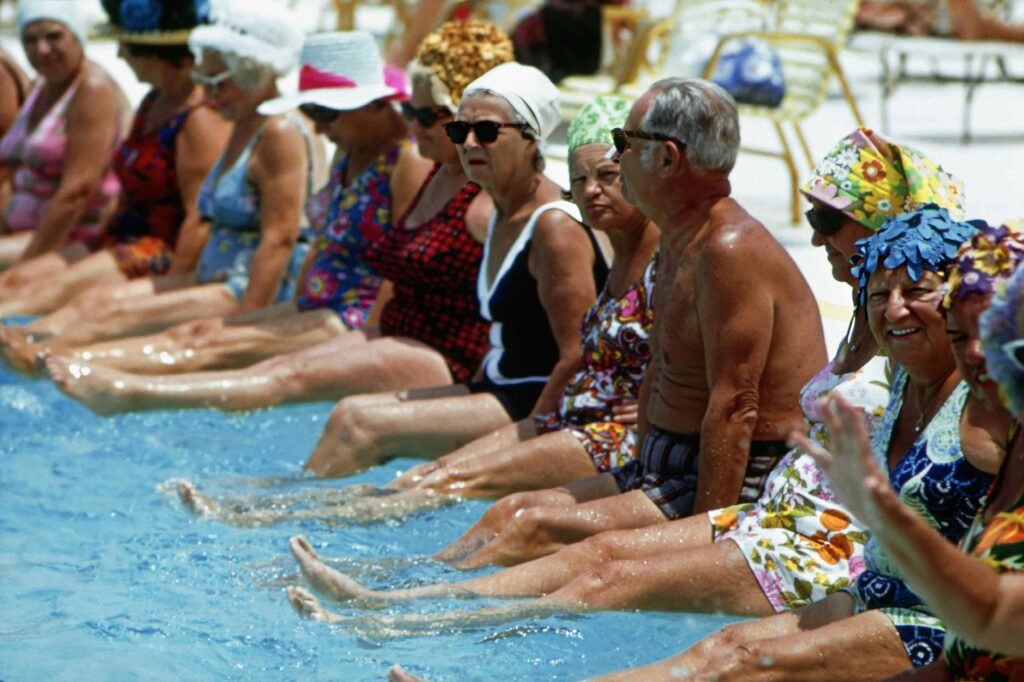
Summer is wonderful – but for older people, rising temperatures bring very real and serious health risks.
Strokes and dehydration are two of the biggest, and the two are more closely linked than most people realise. We explain what to watch for, what to do, and why knowing basic First Aid could save someone’s life this summer.
The Link Between Heat, Dehydration and Stroke
Most of us know that strokes are serious. But far fewer people understand just how closely linked they are to something as simple as not drinking enough water which applies particularly to older people during hot weather.
When the body becomes dehydrated, the blood thickens.
Thicker blood flows more slowly, forms clots more easily, and puts significantly more strain on the heart and brain. Combined with the fact that hot weather causes blood vessels to dilate and blood pressure to fluctuate, the risk of a stroke rises considerably during summer months.
For older people, this risk is amplified further.
The body’s ability to regulate temperature declines with age, the sensation of thirst becomes less reliable, and many common medications including diuretics, blood pressure tablets, and antihistamines can increase fluid loss or mask the warning signs of dehydration.
This is not a minor concern. It is a genuine, preventable risk that affects thousands of people in the UK every single summer.

The Facts: Stroke in the UK
| Statistic | Figure | Source |
|---|---|---|
| Strokes per year in the UK | Over 100,000 | Stroke Association |
| People living with stroke in UK | Over 1.3 million | Stroke Association |
| Stroke as a cause of death | 4th biggest killer in UK | NHS UK |
| Proportion of strokes in over 65s | Over 75% | Stroke Association |
| Brain cells lost per minute without treatment | 1.9 million | Stroke Association |
| Dehydration as a stroke risk factor | Increases blood clot risk significantly | NHS UK |
Sources: Stroke Association UK | NHS
Recognising a Stroke: Act FAST
When a stroke happens, time is everything.
The faster a person receives medical treatment, the better their chances of survival and recovery. Yet research consistently shows that many people in the UK delay calling 999 because they are not sure whether what they are seeing is actually a stroke.
Don’t wait. Don’t Google it. Don’t drive them to a GP. Call 999 immediately.
The UK’s nationally recognised test for identifying a stroke is the FAST test and it is something everyone should know by heart.
The FAST Test
F for Face
Has their face fallen on one side? Can they smile? Is their mouth or eye drooping?A for Arms
Can they raise both arms and keep them there? Weakness or numbness in one arm is a key warning sign.S for Speech
Is their speech slurred, garbled or hard to understand? Can they speak at all? Can they understand what you are saying to them?T for Time
If you notice ANY of these signs then call 999 immediately. Note the time symptoms started. Do not wait to see if they improve.
Beyond FAST – Other Warning Signs
The FAST test captures the majority of strokes – but not all of them. Be alert to these additional symptoms, particularly in older people:
- A sudden, severe headache with no obvious cause and often described as the worst headache of their life
- Sudden loss of vision in one or both eyes, or double vision
- Sudden confusion, memory loss, or difficulty understanding what is being said
- Loss of balance, coordination, or an unexplained fall
- Sudden numbness or weakness down one side of the body – face, arm, or leg
Any one of these symptoms, appearing suddenly and without explanation, should be treated as a potential stroke until proven otherwise.
Recognising a stroke and knowing how to respond is covered in full on our Emergency First Aid at Work and First Aid at Work courses.
Did You Know?
| Fact | Detail |
|---|---|
| Time from symptom to treatment | Every 15 minutes of faster treatment reduces death/disability risk by 4% |
| Clot-busting treatment window | Must be given within 4.5 hours of symptom onset |
| TIA (mini stroke) risk | 1 in 10 TIA patients has a full stroke within 48 hours |
| Stroke survivors who could have recovered better | Thousands annually due to delayed 999 calls |
Sources: Stroke Association UK | NHS UK
A TIA (Transient Ischaemic Attack) – sometimes called a mini stroke – produces the same symptoms as a stroke but they pass within minutes or hours. Do not be reassured if symptoms improve. A TIA is a serious warning sign and a medical emergency. Call 999 regardless.
Dehydration in Older People is More Serious Than You Think
Dehydration is often dismissed as something that happens to athletes or people who forget to drink on a hot day.
But for older people, dehydration is a far more insidious and dangerous condition and one that can develop quietly, progress rapidly, and trigger life-threatening emergencies including stroke, kidney failure, and cardiac events.
Understanding why older people are so vulnerable, and knowing the warning signs, is genuinely life-saving knowledge.

Why Older People Dehydrate Faster
The body’s ability to manage fluid balance changes significantly with age. Several factors combine to make older people particularly vulnerable:
A blunted thirst response
As we age, the hypothalamus becomes less sensitive to changes in fluid levels. Older people simply do not feel thirsty as readily as younger people, even when their body is already dehydrated. By the time an older person feels thirsty, dehydration has often already taken hold.
Reduced kidney efficiency
The kidneys become less effective at conserving water as we age, meaning more fluid is lost through urination even when intake is low.
Common medications
Many drugs routinely prescribed to older people increase fluid loss or mask dehydration symptoms. These include diuretics (water tablets), blood pressure medications, laxatives, and certain antidepressants.
Reduced mobility
For older people with limited mobility, simply getting up to fetch a drink can be a barrier. This is particularly relevant in care settings and for those living alone.
Fear of incontinence
Many older people deliberately restrict fluid intake to avoid urgency or accidents. This is understandable but extremely dangerous, particularly in hot weather.
It is also why dehydration awareness and treatment forms part of our practical First Aid at Work training here in Yeovil.
Dehydration Warning Signs by Severity
| Mild | Moderate | Severe — Call 999 |
|---|---|---|
| Thirst | Dark yellow urine | Confusion or disorientation |
| Dry mouth and lips | Persistent headache | Rapid or weak pulse |
| Fatigue or low energy | Dizziness or lightheadedness | Sunken eyes |
| Reduced urination | Muscle cramps | Fainting or collapse |
| Feeling warm | Dry skin that lacks elasticity | Loss of consciousness |
Source: NHS UK
How Much Should Older People Drink?
The NHS recommends 6 to 8 glasses of fluid per day for adults. In hot weather, during illness, or after physical activity, this should increase.
The good news is that it does not have to be plain water. Tea, coffee, milk, fruit juice, and even soup all contribute to daily fluid intake. Foods with high water content such as cucumber, melon, strawberries, and yoghurt also help.
Practical tips for older people and their carers:
- Set a reminder to offer a drink every hour during hot weather
- Keep a jug of water or squash visible and within easy reach
- Offer drinks with meals and medications as a matter of routine
- Check urine colour regularly — pale straw colour means well hydrated, dark amber means drink more
- Do not wait for thirst as a signal
Source: NHS UK

Dehydration and Stroke: The Numbers
| Statistic | Detail | Source |
|---|---|---|
| Increase in stroke risk from dehydration | Blood viscosity increases significantly, raising clot risk | Stroke Association |
| Hospital admissions for dehydration (England) | Over 15,000 per year | NHS Digital |
| Proportion occurring in over 65s | Over 60% | NHS Digital |
| Hot weather related hospital admissions | Rise sharply during heatwaves | UKHSA |
Sources: NHS Digital | UKHSA
First Aid for a Suspected Stroke
Knowing the FAST test is one thing. Knowing exactly what to do in those critical minutes while waiting for help to arrive is another. This is where First Aid training makes a genuine, measurable difference.
At Lightning Training Solutions, our courses are built around exactly these real-life scenarios. Not theory in a classroom – practical, hands-on skills that stay with you when it matters most.
Here is what to do if you suspect someone is having a stroke:
1. Call 999 immediately
Do not drive them to hospital yourself and do not call the GP first. Tell the call handler you suspect a stroke and give the time symptoms started. Ambulance crews can begin assessment en route and alert the hospital stroke team before arrival – every minute saved improves the outcome.
2. Note the exact time symptoms began
This is critical. Clot-busting treatment (thrombolysis) can only be given within a specific time window from symptom onset. The time you note could directly influence the treatment options available.
3. Keep them calm and still
Reassure them clearly and calmly. Help them to sit or lie down in a comfortable position — ideally lying down with their head and shoulders slightly raised. Stay with them and keep talking to them.
4. Do not give food or water
A stroke can affect the ability to swallow safely. Giving food or drink risks choking or aspiration. Even if they ask for water, do not give it until they have been assessed by medical professionals.
5. Loosen any restrictive clothing
Loosen anything around the neck, chest, or waist that could restrict breathing or circulation.
6. If they become unconscious but are breathing normally
Place them in the recovery position and continue to monitor their breathing until the ambulance arrives.
7. If they stop breathing
Begin CPR immediately and continue until emergency services take over.
If symptoms appear to improve or pass within a few minutes, do not be reassured and do not cancel the ambulance. This may be a TIA (mini stroke) which is a serious medical warning that a full stroke could follow within hours. The person still needs urgent medical assessment. Keep the ambulance coming.
Would you know what to do if someone collapsed in front of you?
Our Emergency First Aid at Work (EFAW) course covers stroke response, CPR, recovery position, and managing unconscious casualties — all in just one day.
At just £70 + VAT per person, it is one of the most valuable days you will ever spend.
📞 01935 473575 | 07910 407443
📧 bookings@lightningtrainingsolutions.co.uk
📅 View upcoming dates
Stroke Response: What to Do and What Not to Do
| Do | Do Not |
|---|---|
| Call 999 immediately | Drive them to hospital yourself |
| Note the time symptoms started | Wait to see if symptoms improve |
| Keep them calm and still | Give food or water |
| Loosen restrictive clothing | Leave them alone |
| Begin CPR if they stop breathing | Assume a TIA is not serious |
| Stay with them until help arrives | Delay calling because you are unsure |
Source: NHS UK | Stroke Association

First Aid for Heat Exhaustion and Dehydration
Heat exhaustion and dehydration often go hand in hand, particularly in older people during hot weather. Recognising the signs early and acting quickly can prevent a serious situation from becoming a life-threatening one.
This is another scenario covered in full on our Emergency First Aid at Work course because heat-related emergencies happen everywhere, not just in workplaces.
They happen at home, in gardens, at family gatherings, and at community events. Being prepared means being ready wherever you are.
What to Do if You Suspect Heat Exhaustion
If an older person seems unwell in the heat with signs such as confused, pale, sweating heavily, dizzy or weak you should act immediately by:
1. Move them to a cool place
Get them out of direct sunlight and into a cool, shaded, or air-conditioned environment as quickly as possible. Every minute in the heat makes the situation worse.
2. Help them to lie down and raise their legs
This encourages blood flow back to the brain and vital organs, reducing the risk of fainting or collapse.
3. Remove unnecessary clothing
Loosen or remove outer layers, scarves, and anything restrictive around the neck and chest to help the body cool down.
4. Cool them down actively
Use a damp cool cloth on the forehead, neck, and wrists. A fan, cool water spray, or even fanning with a magazine all help. Do not use ice directly on the skin.
5. Give small, frequent sips of cool water
If they are conscious and able to swallow safely, encourage them to drink cool water gradually. Do not give large amounts at once as this can cause nausea. Sports drinks or oral rehydration sachets are particularly effective at restoring lost salts and fluids.
6. Monitor them closely
Most people with heat exhaustion recover within 30 minutes with the right First Aid. If they do not improve, or if their condition worsens at any point, call 999 immediately.
Call 999 immediately if the person:
- Has hot, dry skin and has stopped sweating — this is heatstroke, a life-threatening emergency
- Becomes confused, agitated, or loses consciousness
- Has a rapid or very weak pulse
- Does not improve within 30 minutes of First Aid
- Has a known heart condition, diabetes, or has recently had a stroke
Do not wait. In older people, heat exhaustion can deteriorate into heatstroke with frightening speed.
Heat Exhaustion vs Heatstroke
| Heat Exhaustion | Heatstroke | |
|---|---|---|
| Skin | Cool, pale, clammy | Hot, dry, flushed |
| Sweating | Heavy sweating | No longer sweating |
| Temperature | Raised but below 40°C | Above 40°C |
| Consciousness | Alert but weak and dizzy | Confused, agitated, or unconscious |
| Action needed | Prompt First Aid | Call 999 immediately |
Source: NHS UK
For a more detailed guide to heat-related illness this summer, including advice for families with children and those working outdoors, take a look at our Summer First Aid Guide which covers everything you need to know about staying safe in the heat.
Prevention is always better than cure. Simple steps to protect older people in hot weather:
- Check on elderly neighbours, relatives, and friends during heatwaves
- Keep curtains or blinds closed during the hottest part of the day (11am to 3pm)
- Never leave an older person alone in a hot car, even briefly
- Keep rooms cool using fans and open windows during cooler evening air
- Offer drinks regularly and do not rely on them asking
- Be aware that air conditioning in supermarkets and libraries can provide welcome relief on very hot days
Our First Aid at Work (FAW) course covers heat exhaustion, heatstroke, stroke, dehydration and a wide range of other medical emergencies in comprehensive detail.
Ideal for workplace First Aiders, carers, school staff, and anyone who wants to be genuinely prepared for any situation.
At just £180 + VAT per person including blended learning, it is the gold standard in First Aid training.
📞 01935 473575 | 07910 407443
📧 bookings@lightningtrainingsolutions.co.uk
📅 View all upcoming dates in Yeovil
How First Aid Training Can Help
Reading an article like this one is a brilliant starting point. But there is a world of difference between reading about what to do and actually being able to do it when someone you love is in front of you, frightened and unwell.
Confidence in a medical emergency does not come from Google. It comes from practice, from repetition, and from being taught by experienced professionals in a hands-on environment. That is exactly what we provide at Lightning Training Solutions.
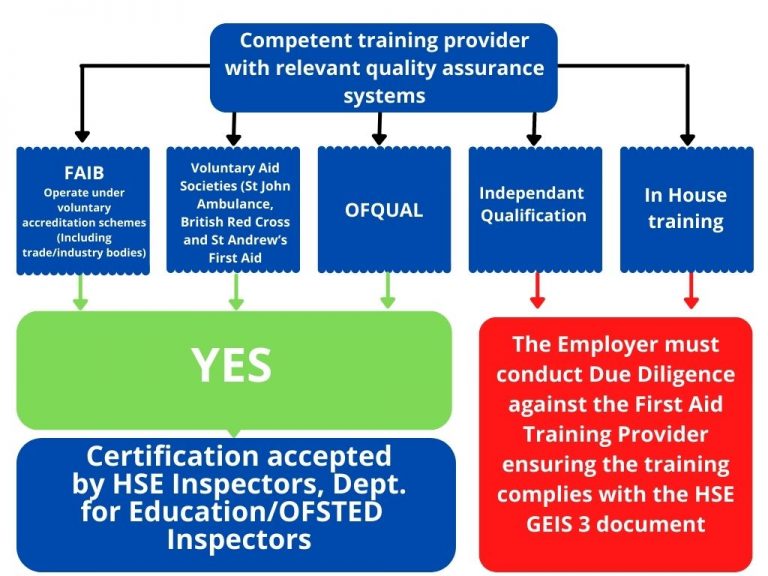
Based in Yeovil, Somerset, we have been delivering practical, accredited First Aid training for over 15 years.
Our courses are friendly, engaging, and built around real-life scenarios which is the kind of situations that actually happen, in homes, workplaces, and communities across the UK every single day.
Our First Aid Courses
Emergency First Aid at Work (EFAW) £70 + VAT per person
Our most popular course and the perfect starting point for anyone who wants to build real First Aid confidence.
In just one day you will learn how to respond to stroke, cardiac arrest, dehydration, heat exhaustion, choking, anaphylaxis and much more. Certificates are valid for three years.
First Aid at Work (FAW) £180 + VAT per person (includes blended learning)
The gold standard in First Aid training. Over three days you will develop a comprehensive, in-depth skillset covering the full range of medical emergencies.
Ideal for designated workplace First Aiders, carers, school staff, and those with responsibility for the health and safety of others.
Paediatric First Aid £75 + VAT per person
Specifically designed for those working with or caring for babies and children. Covers paediatric CPR, choking, anaphylaxis, febrile seizures and much more. RQF accredited and Ofsted recognised.
Final Thoughts
Strokes, dehydration and heat-related illness are not inevitable consequences of getting older. With the right knowledge, the right preparation, and the right people around them, older people can enjoy summer safely and confidently.
Share this post with someone who might need it. A neighbour. A parent. A colleague who cares for an elderly relative. The information in this article could genuinely make a difference to someone’s life this summer.
And if reading this has made you think about your own First Aid knowledge, we would love to help. Our courses are practical, friendly, and designed for real people in real situations. You do not need any prior experience or medical background. You just need to show up.
Because the best time to learn First Aid is always before you need it.
Ready to take the next step?
📅 View all upcoming First Aid courses in Yeovil
📞 01935 473575 | 07910 407443
📧 bookings@lightningtrainingsolutions.co.uk
🌐 lightningtrainingsolutions.co.uk
Can’t make a listed date? Get in touch and we will find a solution that works for you!